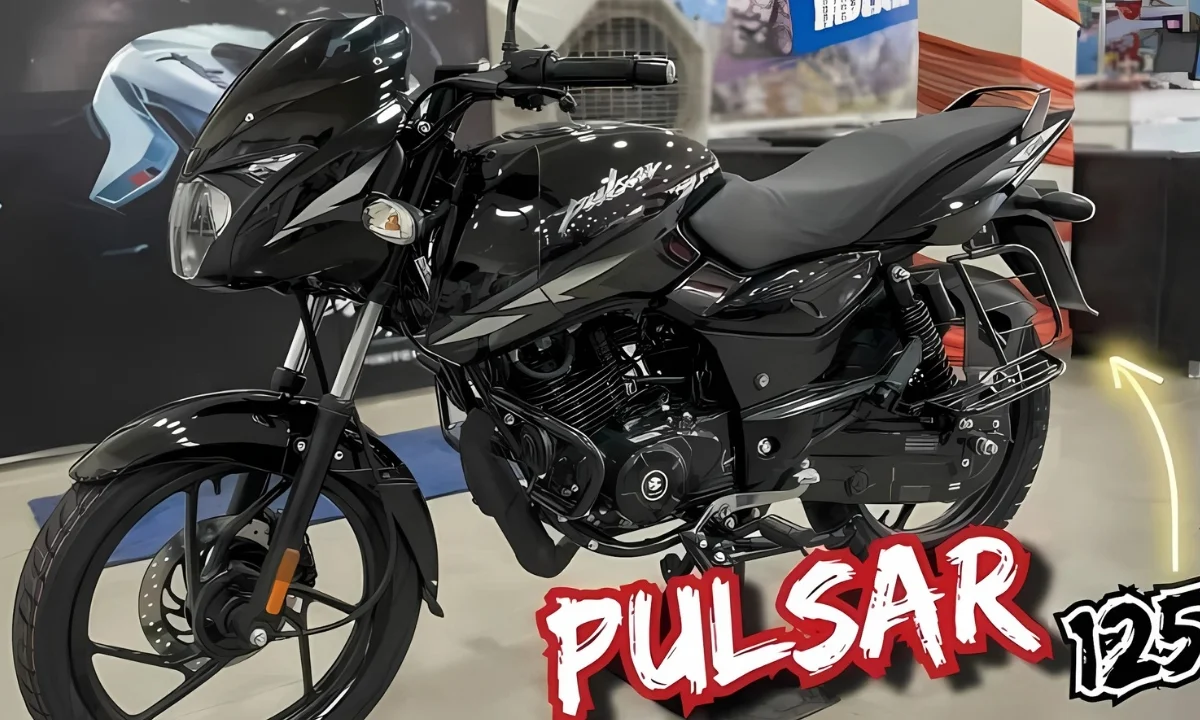
The Bajaj Pulsar 125 2025, updated in 2024, is a sporty commuter motorcycle in Bajaj’s iconic Pulsar lineup, with over 2 crore units sold since 2001. Priced between ₹85,178 and ₹94,451 (ex-showroom), it competes with the Honda Shine, Hero Xtreme 125R, and TVS Raider 125. Targeting young riders and daily commuters, it blends style, performance, and fuel efficiency. Here’s a detailed review of its price, specifications, features, and performance in India as of August 31, 2025.
Iconic Design with Sporty Flair
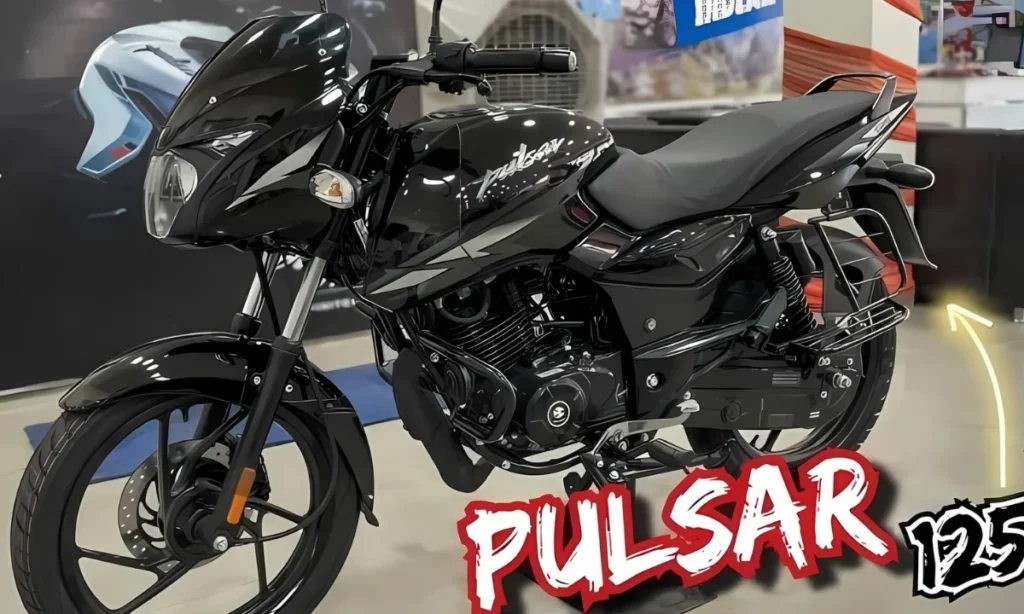
The Bajaj Pulsar 125 2025 retains the classic Pulsar 150-inspired design with a halogen headlamp, LED taillamp, muscular tank, and split-seat option (higher variants). Available in 8 colors—Black Green, Black Red, Black Blue, Black Silver, Red Carbon Fibre, Blue Carbon Fibre (single and split-seat variants)—it measures 2055 mm (L) x 755 mm (W) x 1060 mm (H) with a 1320 mm wheelbase and 165 mm ground clearance. Weighing 140 kg (single-seat) or 142 kg (split-seat), it uses 80/100-17 front and 100/90-17 rear tubeless tires on black alloy wheels. The split grab rails and neon highlights enhance its sporty appeal, but the dated design compared to the Pulsar N125 is a minor drawback.
Functional and Modern Cockpit
The cockpit features a fully digital LCD console with Bluetooth connectivity for call/SMS alerts, gear position indicator, distance-to-empty readout, and instantaneous fuel economy. It includes a USB charging port, halogen headlamp, and contoured seats for rider and pillion comfort. The 11.5-litre fuel tank supports a ~590-660 km range, while the split-seat variant adds a premium look. However, the console lacks turn-by-turn navigation, and some users report minor lag in the display. The absence of a fully LED headlamp (unlike the Pulsar NS125) is a missed opportunity.
Efficient and Peppy Performance
Powered by a 124.4cc single-cylinder, air-cooled, BS6 Phase 2-compliant DTS-i engine with twin spark plugs, the Pulsar 125 produces 11.64 bhp @ 8500 rpm and 10.8 Nm @ 6500 rpm, paired with a 5-speed manual gearbox (1-down, 4-up pattern). It achieves a top speed of ~110 kmph and 0-60 kmph in ~6.5 seconds, offering smooth acceleration for city commutes. The ARAI-claimed mileage is 51.46 kmpl (real-world ~50-55 kmpl), saving ~₹11,000/year compared to a 10 kmpl bike at ₹100/litre fuel. The telescopic front forks and 5-step adjustable Nitrox rear shocks ensure a balanced ride, though the suspension feels firm on rough roads. The 1320 mm wheelbase and anti-skid technology enhance stability.
Safety and Handling
Safety features include a combined braking system (CBS), 240 mm ventilated front disc brake (standard), and 130 mm rear drum brake. The tubeless tires and high-tensile steel double-cradle chassis provide good grip and handling in traffic, but the rear drum brake feels less responsive compared to the front disc. The absence of single-channel ABS (unlike the Pulsar NS125) is a drawback, and the bike is expected to achieve a 3-star Bharat NCAP rating. The light steering suits urban riding, but the 140-142 kg weight is heavier than rivals like the Honda Shine (113 kg).
Pricing and Availability
Prices range from ₹85,178 (Neon Single Seat) to ₹94,451 (Carbon Fibre Split Seat, ex-showroom). On-road prices in Delhi are ₹98,159-1,04,871, including RTO (₹6,814-7,556) and insurance (₹7,553-8,000). Available at Bajaj Auto dealerships, BikeWale, BikeDekho, and online platforms, bookings require a ₹2,999 token amount. Offers include ₹5,000 cash discounts (August 2025), ₹10,000 exchange bonuses, and EMI from ₹2,541/month (10.5% interest, 36 months). Maintenance costs are ~₹1,000-1,500 every 10,000 km, supported by Bajaj’s 7,977 showrooms and 1,400 service centers. Delivery wait times are 1-2 weeks, with high demand for Carbon Fibre variants. The warranty is 3 years/40,000 km, extendable to 5 years.
User Feedback and Drawbacks
Users praise the sporty styling, 50-55 kmpl mileage, comfortable seats, reliable DTS-i engine, and Bajaj’s service network. The digital console and USB port appeal to younger riders. Drawbacks include:
- Heavier weight (140-142 kg), impacting agility vs. Honda Shine.
- No ABS, unlike some competitors.
- Dated design, resembling the Pulsar 150.
- Rear drum brake, less effective than disc options.
- High maintenance costs, reported by some users (~₹2,000/year extra).
Comparison with Competitors
The Bajaj Pulsar 125 2025 competes with:
- Honda Shine (₹86,592, 123.94cc, 10.59 bhp, 55 kmpl): Lighter and smoother, but less sporty.
- Hero Xtreme 125R (₹1.15 lakh, 124.7cc, 11.5 bhp, 66 kmpl): Higher mileage, but pricier.
- TVS Raider 125 (₹95,219, 124.8cc, 11.22 bhp, 67 kmpl): Sportier, but more expensive.
The Pulsar 125 offers strong value and brand legacy, but lags in weight and modern features compared to the Raider.
Final Thoughts
The Bajaj Pulsar 125 2025, updated in 2024, is a sporty commuter with a 124.4cc DTS-i engine, delivering 11.64 bhp and ~50-55 kmpl mileage. Priced from ₹85,178-94,451, its digital console, Bluetooth connectivity, and robust build make it ideal for city commuting. While its iconic design and low running costs (~30-35 paisa/km) impress, the heavier weight, lack of ABS, and dated styling are drawbacks. Backed by Bajaj’s vast service network, it’s a reliable choice for budget-conscious riders in India’s 125cc segment.
Leave a Reply